Ambiguity RSS
THE DEATH OF THE AUTHOR


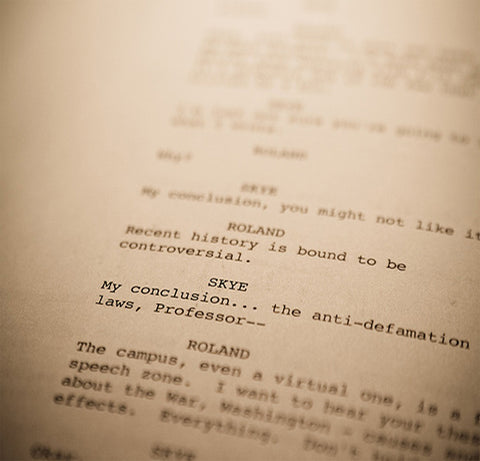
Someone sent me a script. It’s a pretty straight-forward narrative until act three, at which point the action shifts into a dreamlike space with a lot of symbolism and absurdity, etc. The writer asked me if I understood what the ending “meant.” To which I replied: “It doesn’t matter.” Because: Once the script starts indulging in dreamlike cinematic choices, the “meaning” of these choices no longer belong to the writer, or even to the film. They belong to the view of the film, the audience. This is The Death of the Author, as touched on by Roland Barthes in his...
ON AMBIGUITY


Ambiguity in storytelling is rewarding but tricky. It’s rewarding because, when handled well, we can draw the audience into the narrative. If engaged, they wonder what’s going on and why. Like the characters, the audience actively thinks about the story, examining “clues” (literal or figurative) and making guesses. Mystery as either a storytelling device or a genre is driven completely by ambiguity. Without ambiguity, there is no mystery; we know “whodunnit.” However, ambiguity can also be tricky, because it involves some work to correctly pull off. I have read a lot of spec scripts that engage in only a single...
Master Screenwriting: Ambiguity


Ambiguity is a consistent differentiator we see at ScriptArsenal between scripts by newer writers, up-and-coming writers, and established pros. Does ambiguity mean a confusing script? No, in fact the whole point of ambiguity is that it must be intentional and clear. Let’s consider some examples from masters of cinema (SPOILERS AHEAD). Christopher Nolan’s INCEPTION concludes with a spinning top. It is previously established in the narrative that the behavior of this spinning top is a telltale sign of the difference between reality and the dream world. The film ends ambiguously, cutting on the spinning top. The audience must live with...